Members Only
Historic Mills
Beautifully converted industrial spaces with raw character, exposed brick, and the kind of atmosphere money can't build.
Beautifully converted industrial spaces with raw character, exposed brick, and the kind of atmosphere money can't build.
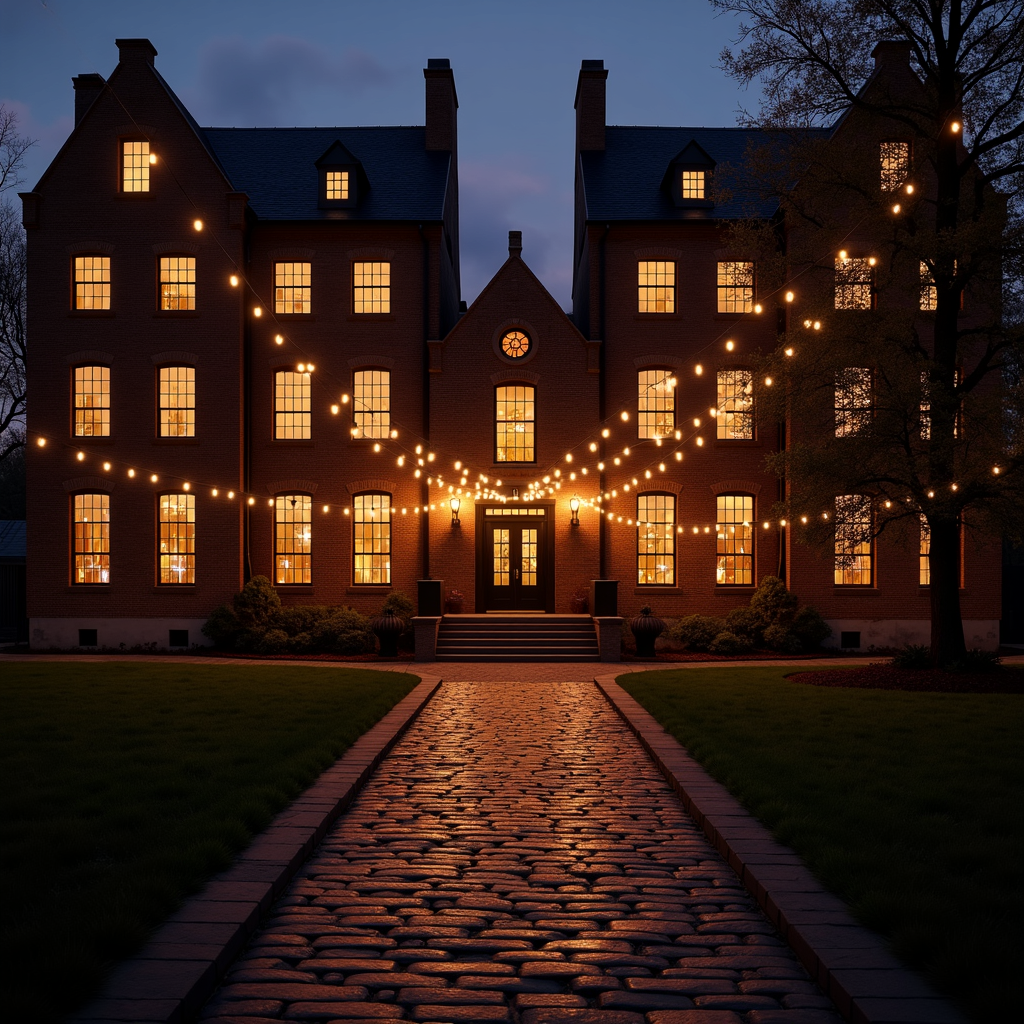
Rocky Mount Mills is one of North Carolina's most remarkable adaptive reuse stories. Established in 1818 as the state's second textile mill, this sprawling campus along the Tar River has been transformed into a vibrant mixed-use destination -- while preserving every inch of its industrial character.
For filmmakers, these spaces are gold. Exposed brick walls, original steel beams, massive factory windows, polished concrete floors, and the unmistakable texture of two centuries of American industry. You simply cannot replicate this aesthetic in a studio -- it has to be real, and Rocky Mount Mills is the real thing.
Year Established
Years of History
National Register Listed
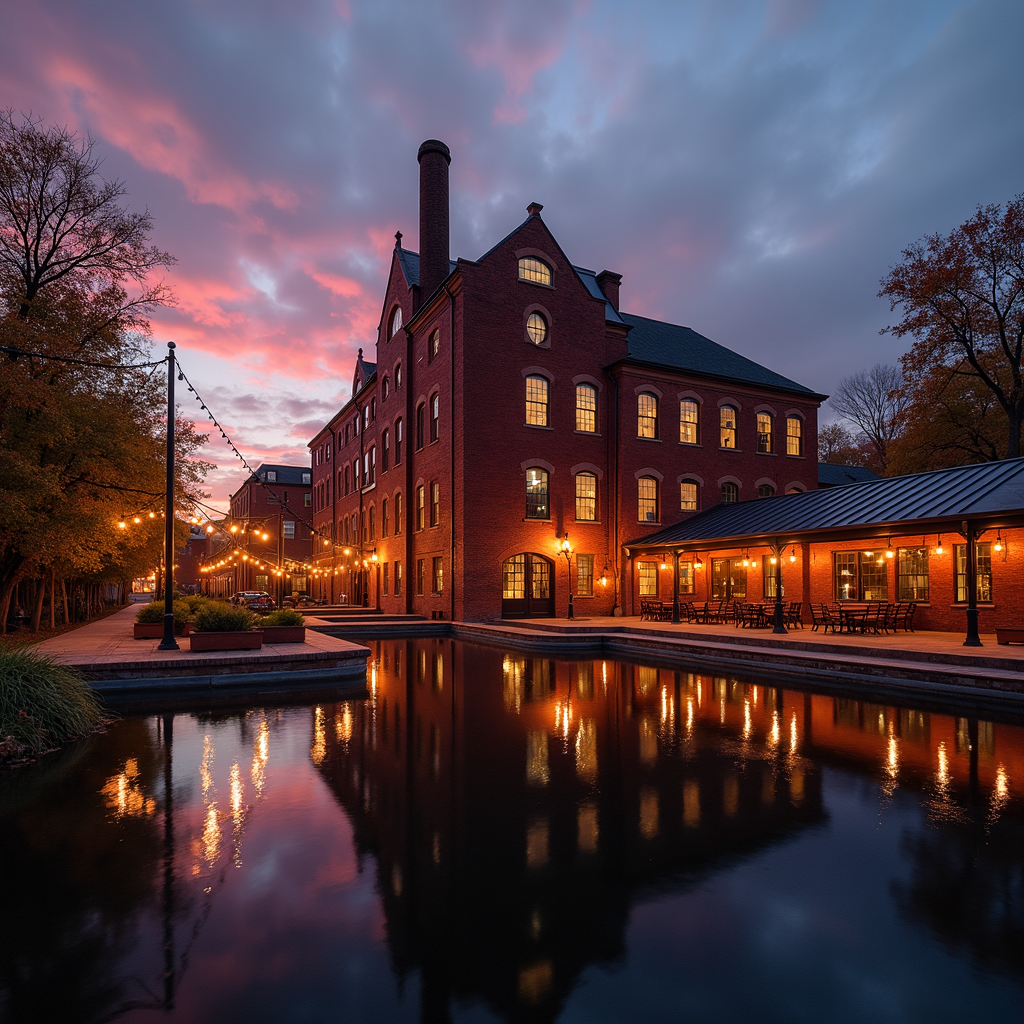
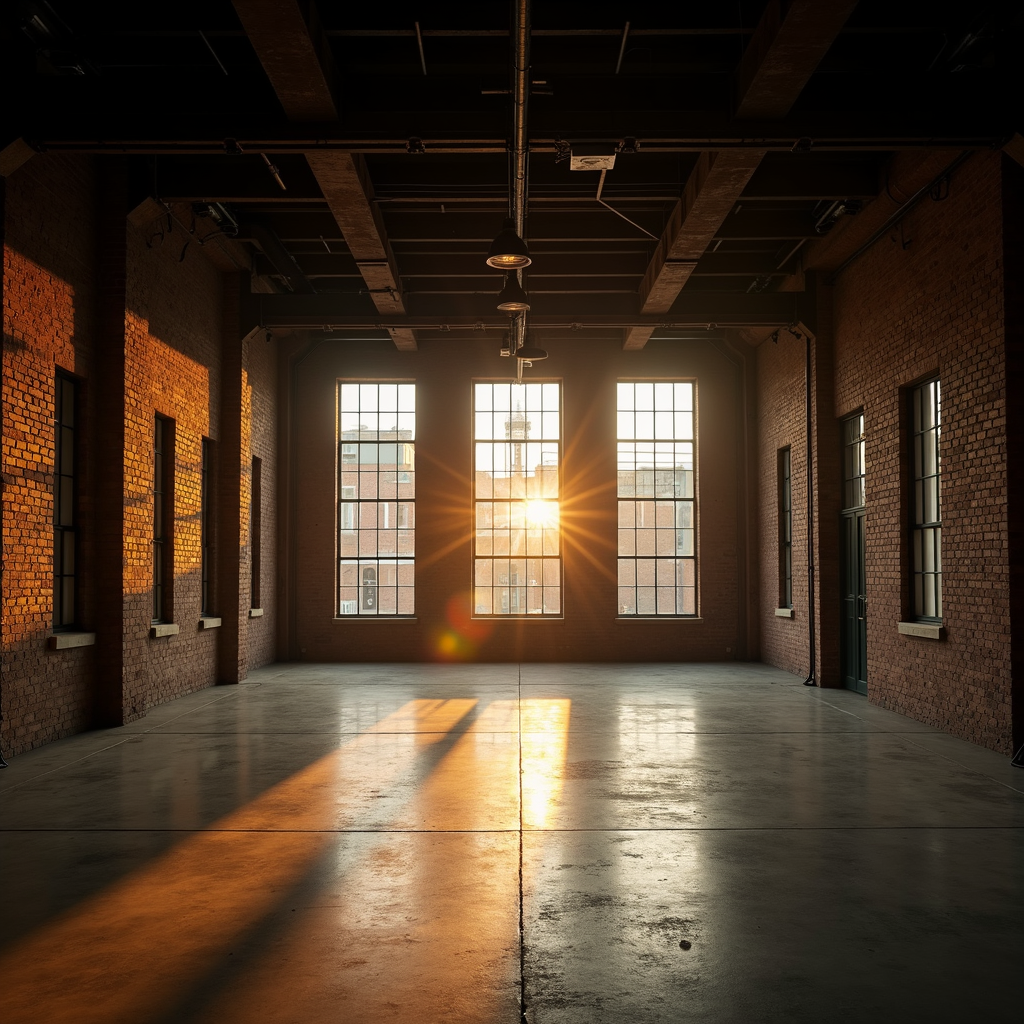
The crown jewel of Nash County's industrial heritage. The campus includes multiple buildings ranging from intimate 2,000 sq ft spaces to massive 20,000+ sq ft open-plan factory floors. On-site amenities include a brewery, restaurants, event spaces, and -- critically for productions -- residential lodging for cast and crew.
The mill's original boiler room has been converted into a dramatic event and production space. Soaring ceilings, original mechanical fixtures, and industrial-scale architecture create a backdrop that screams authenticity. Perfect for music videos, fashion shoots, and gritty drama scenes.
Several warehouses in the greater Rocky Mount area offer raw, unconverted industrial spaces at competitive rates. These are blank canvases -- massive open floors, loading docks, and the kind of space that production designers dream about for set construction and controlled environment shoots.
Rocky Mount Mills was established in 1818 by Joel Battle and Henry Donaldson, making it the second cotton mill in North Carolina. The mill village that grew around it between 1885 and 1940 is recognized on the National Register of Historic Places. The campus operated continuously as a textile mill until the late 20th century before being reimagined as the mixed-use destination it is today.
The Tar River runs directly through the property, providing both scenic waterfront locations and the hydroelectric infrastructure that originally powered the mill. This combination of industrial heritage and natural beauty is virtually unique among filming locations in the Southeast.